The Talon
Vol. 1 | Ed. 14
History of School Lunches
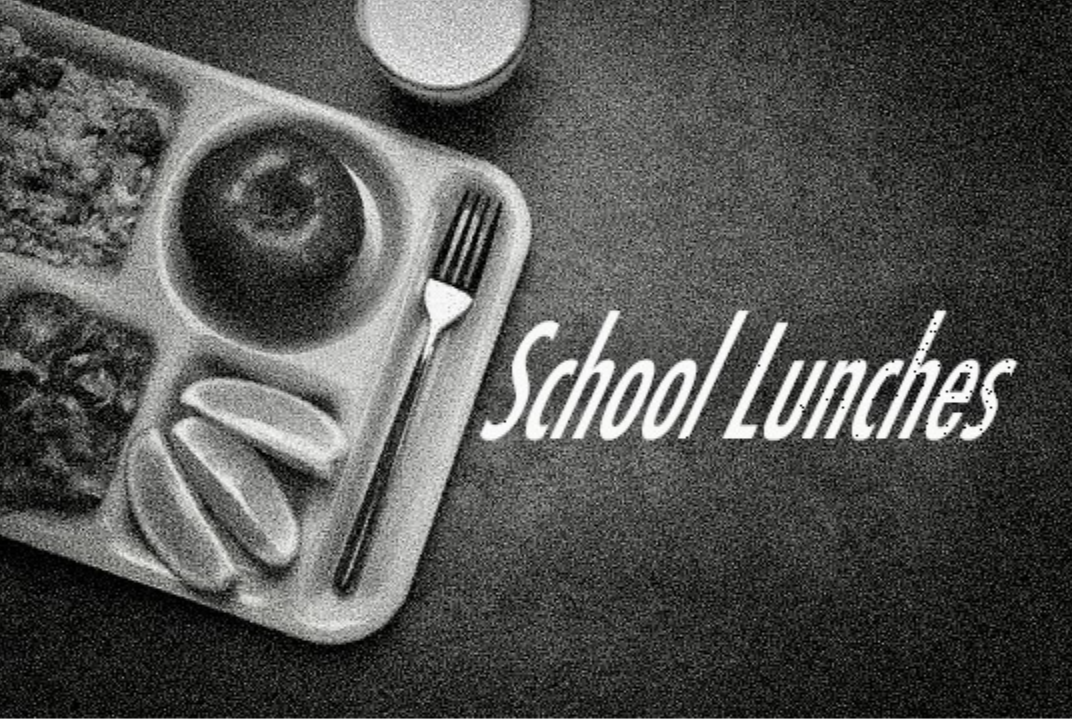
School lunches may have existed for quite a long time, but how did it start in the US? Well, it started back in the 19th century as a charitable effort to feed children who were starving and to prevent malnutrition. Official lunch programs started in Boston and Philadelphia around the 1890s. In Philadelphia it was a program called Starr Center Association, where they would serve food that at the time was known as “penny lunches.” In Boston a program was called, New England Kitchen, where they’d serve cheap and affordable meals. Eventually, it evolved into a national federation funded program by the 1940s from The National School Lunch Act to improve child health to learn.
During the late 1800s groups like the Woman’s Educational and Industrial Union offered simple meals like soup, bread, and milk for pennies. The reason foods like this were given out was due to philanthropic efforts to reduce hunger and malnourishment in children. They were also provided the children’s ability to learn by providing food for energy.
By the 1900s, 34 out of 45 states (before there were 50) had a calling of laws for the requirement in education for all children under the ages of 14. This was around the industrial era where reformers needed to improve all outcomes of students drawn into the education system. Giving children the access to healthy foods was one of the necessities in order for children to be able to function and learn effectively.
President Harry S. Truman signed the official National School Lunch Act on June 4th, 1946. This legislation went in effect to claims that many American men had been rejected for World War II due to diet related health problems. The federal government assisted the meal program as a national security measure to protect the well-being and health of the children and to encourage consumption of nutritious agricultural products. Later on, in 1966, President Lyndon B. Johnson signed the Child Nutrition Act. This act is where the Breakfast Program began. It is a federally assisted program where nutritional balanced supplements are given for a low-fee, or even free.
In 2020, the COVID-19 pandemic prompted the federal government to offer free food to all public-school students. The benefits to varying communities nationwide from these free food acts caused around nine states to pass the law for universal free school meals to be provided in their schools. This was around 2022.
To this day, depending on the school, some kids are able to eat school lunches for free. This is mainly due to a mix of federal guidelines that are for low-income families. While that is not always the case, there is a requirement to sign up regardless of income. Most schools will inform the guardian if the child is eligible for free breakfast/lunches.
School lunches have helped many families and students. Students get to eat school lunches to gain energy, to focus academically, and gain nutrients from the food provided. It also helps families get to spend less on meals with the relief of schools providing food. Not to mention, it also helps those in need of food who don’t necessarily get access to it easily. School lunches have been around for decades and hopefully continue to as the years go on, as it has been very impactful to many students.